
Iran War Goes On: Saudi Arabia Attacks, Proxy Warfare, and Escalating Internal Unrest
An intelligence breakdown of Iran and Houthi strikes on Saudi Arabia, the escalation of domestic resistance inside Iran, and the strategic viability of a ceasefire or regional deal.
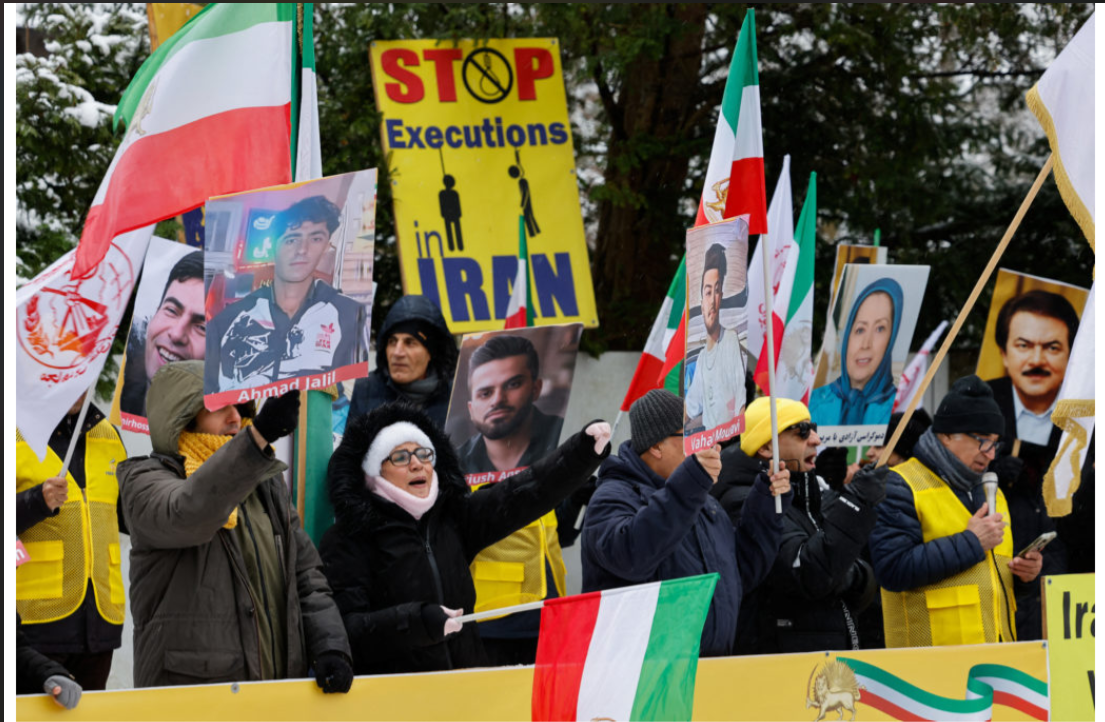
What Has Iran Done to Saudi Arabia?
Iran’s state operations against Saudi Arabia combine direct cross-border intimidation with multi-front asymmetric strike campaigns. Tehran views Saudi Arabia as a primary regional operational node for US and allied power projection.
                           [ IRGC SPECIAL OPERATIONS ]
                                       │
                ┌──────────────────────┴──────────────────────┐
                ▼                                             ▼
     [ Direct Aggression ]                        [ Proxy Operations ]
        • Ballistic Missiles                         • Houthi Red Sea Blockade
        • Critical Cyber Attacks                     • Iraqi Militia Drone Waves
        • Maritime Harassment                        • Pipeline Sabotage
Direct Military and Cyber Aggression
- Cross-Gulf Missile and Drone Strikes: Iranian forces have targeted Saudi radar installations, military airfields, and maritime surveillance infrastructure across the Persian Gulf to degrade coalition early-warning capacity.
- Cyber Warfare: Iranian state-backed threat actors have targeted Saudi government networks, financial institutions, and energy management systems with destructive wiper malware aimed at causing industrial disruption.
- Naval Chokepoints: Iran has deployed naval assets to harass Saudi-flagged commercial vessels operating near the Strait of Hormuz, threatening energy export routes.
How Are Houthi Attacks from Yemen Linked to Iranian Strategy?
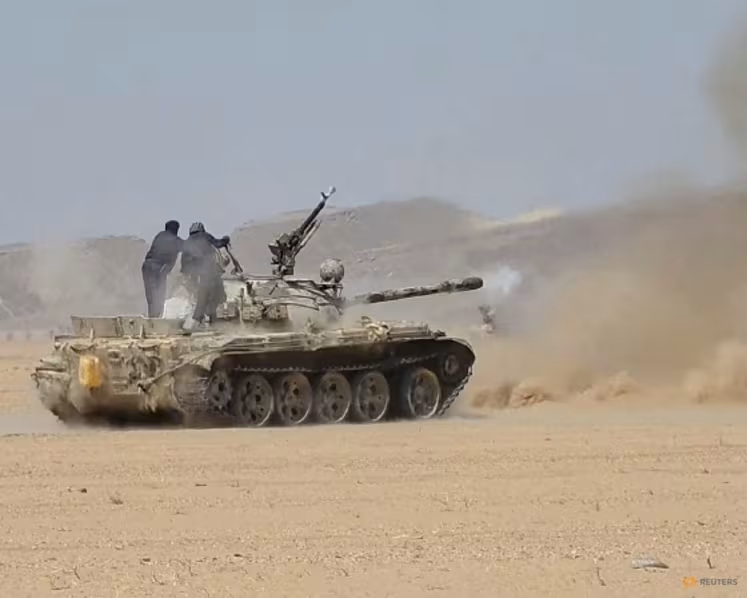
The Houthis (Ansar Allah) act as Iran's primary southern offensive vector. By arming, training, and equipping Houthi forces with long-range loitering munitions and ballistic missiles, Tehran maintains strategic pressure on Saudi Arabia while preserving operational deniability.
| Attack Vector | Operations Executed | Strategic Impact on Saudi Arabia |
| Energy Infrastructure | Swarm drone strikes on East-West pipeline & Aramco facilities | Reduced crude output below 6 million barrels per day; forced pipeline shutdowns. |
| Maritime Blockades | Red Sea naval blockade against Saudi tankers near Bab al-Mandab | Forced vessels to use "dark transit" (disabling transponders); elevated insurance costs. |
| Civil Infrastructure | Ballistic missile strikes on southern airports (e.g., Abha) | Distracted Saudi air defences; strained regional commercial aviation networks. |
| Iraqi Proxy Alignment | Coordinated simultaneous drone waves from southern Iraq and Yemen | Forced Saudi forces to defend multiple air corridors simultaneously. |
By forcing Riyadh to commit substantial air defence resources to protect domestic energy assets, Iran effectively prevents Saudi Arabia from extending open logistical, basing, or airspace support to foreign coalition operations.
Is Domestic Unrest Increasing Inside Iran?
Yes. Field intelligence confirms that domestic unrest across Iran is expanding in scale, intensity, and tactical sophistication.
Internal friction has evolved beyond peaceful civil demonstration into violent resistance against state infrastructure and regime enforcement bodies.

Key Intelligence Indicator: The convergence of severe economic collapse, sustained military strikes on regime command targets, and leadership losses has fractured state control in peripheral provinces and major urban centres alike.
                         ESCALATION OF DOMESTIC UNREST

    Phase I: Economic Shock   ──►   Phase II: State Repression   ──►   Phase III: Armed Defiance
    (Rial collapse, inflation)     (Blackouts, live fire)             (Outpost arson, defectors)
Confirmed Patterns of Civilian Resistance
- Attacks on Security Outposts: Armed civilian groups and defectors have launched night-time ambushes on Basij paramilitary posts, local police stations, and IRGC intelligence offices.
- Targeted Arson Campaigns: Protesters have deliberately set fire to state-run media facilities, government administrative offices, state bank branches, and regime-affiliated religious institutions (mosques used as Basij recruitment centres).
- Localised Checkpoints: Disaffected citizens and insurgent cells have established temporary street barricades and inspection points in dissident strongholds across Kurdistan, Sistan-Baluchestan, and major university districts.
- Resource Strain on Security Forces: The internal security apparatus is forced to divert elite personnel away from military staging areas to maintain internal containment under unofficial martial law.
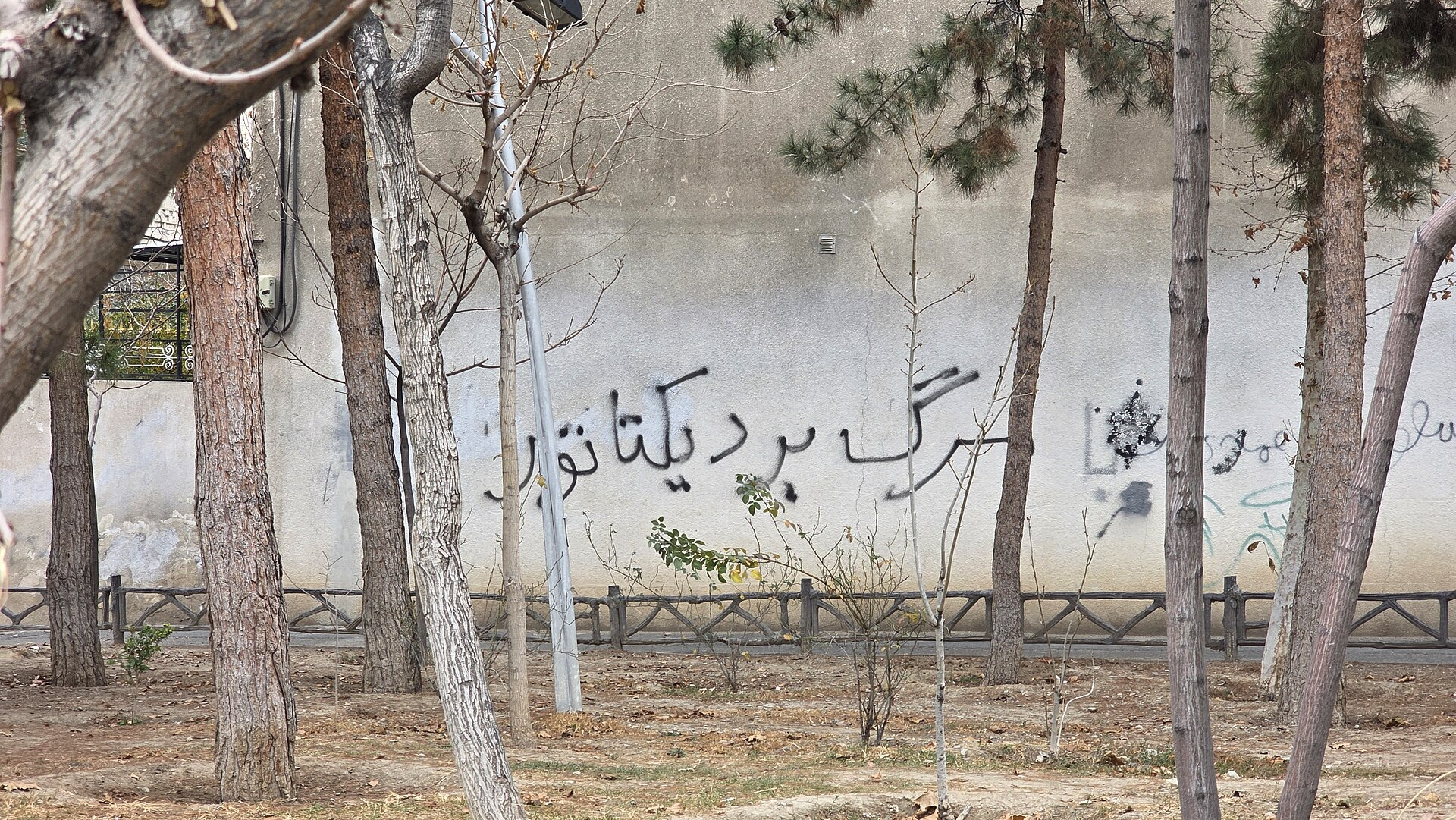
Why Hasn't the War Ended, and What Deal Is Possible?
1. Factors Preventing Regime Collapse
Despite growing civil resistance and leadership attrition, the conflict has not ended due to key operational asymmetries:
- Heavy Weapons Imbalance: Protesters and local insurgent cells lack heavy armour, artillery, and integrated air defence to counter conventional military formations.
- Fragmented Opposition Command: Internal resistance operates without a single unified political or military high command, preventing coordinated nationwide offensives.
- Regime Coercive Capability: Core IRGC units remain institutionally committed to survival, relying on communication blackouts and force to maintain territorial control.
2. Likelihood of U.S. Resumption of Operations
The likelihood of the US and coalition partners resuming offensive strikes remains high if key operational red lines are breached:
- Strait of Hormuz Closure: Any attempt by Iran to enforce a total maritime blockade will trigger immediate coalition air and naval intervention.
- Mass-Casualty Proxy Attacks: Major Houthi or Iraqi militia strikes resulting in significant foreign military casualties will break ceasefire frameworks.
- Complete Regime Subjugation Unlikely: A total ground invasion or territorial occupation of Iran is strategically improbable due to force requirement constraints and economic risks to global energy markets.
3. Diplomatic Deal Viability
A permanent, comprehensive peace agreement is currently improbable due to mutually exclusive red lines:
               CEASEFIRE & DEAL DYNAMICS

    COALITION DEMANDS                 IRANIAN DEMANDS
    ─────────────────                 ───────────────
    • End to proxy funding            • Full sanctions removal
    • Maritime transit freedom        • Unfreezing of all assets
    • Caps on missile development     • Regime survival guarantees
The most likely outcome is not a permanent peace treaty, but an uneasy, highly volatile equilibrium governed by interim tactical pauses, maritime containment, and ongoing internal resistance.
Comments ()