The BBC’s Blind Spot: Whitewashing Hamas and the Illusion of the Gaza Peace Deal
An unvarnished look at how the BBC's coverage of the Gaza peace plan sanitises Hamas, ignoring their blatant denial of documented October 7th atrocities.
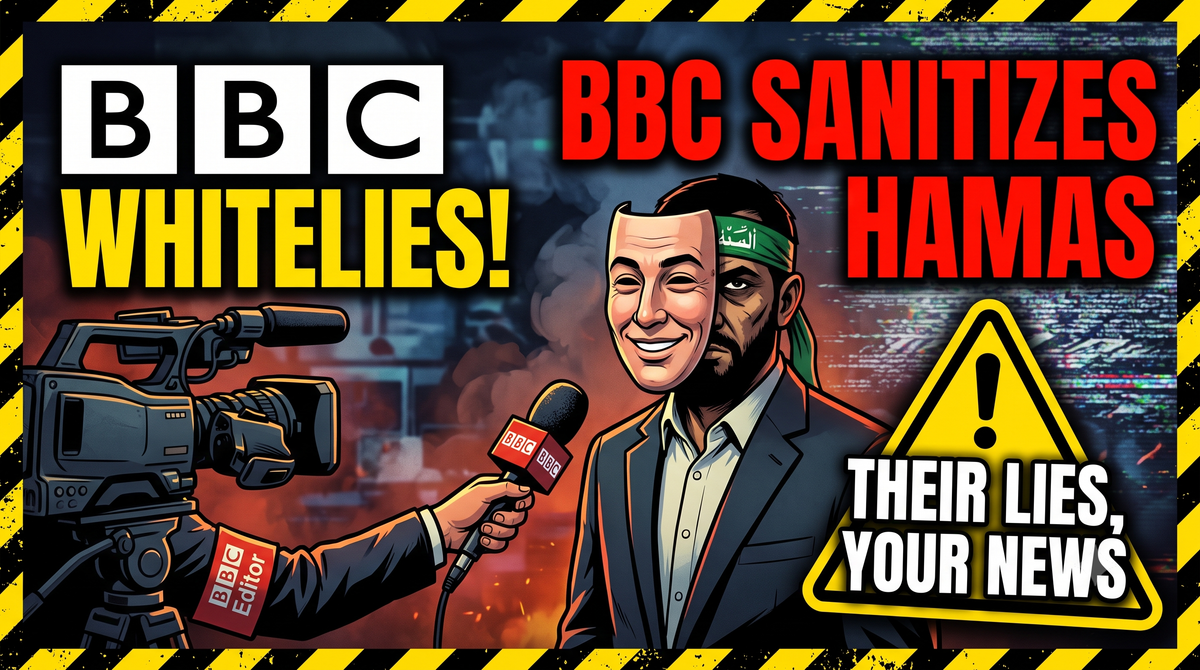
Let’s cut the nonsense and look at what’s actually being sold to the public by legacy media.
If you watch the BBC’s recent coverage of the Gaza peace negotiations, specifically Jeremy Bowen's analysis of the so-called "Board of Peace" roadmap, you are handed a very neat, very sanitised narrative. The story goes like this: Hamas has made a miraculous, historic concession to disarm, and the only thing standing in the way of peace is Israeli political stubbornness and a lack of trust.
It’s a masterclass in omission. By leaving out the cold, hard facts of who is actually sitting at the negotiating table, the state broadcaster gives a free pass to a militant organisation running a blatant propaganda campaign.
The Sanitisation of a Terror Group
The BBC report frames Hamas as a rational political actor that has strategically chosen to lay down its arms to secure a future role in a technocratic Palestinian government. The underlying suggestion is that they are acting in good faith, and Israel is the sole obstructionist refusing to withdraw.
But cross-reference that polished narrative with what Hamas is actually saying on the world stage. Take the recent appearance of senior Hamas spokesperson Ghazi Hamad on Piers Morgan Uncensored. When pressed on the documented massacres of October 7th, Hamad didn't pivot or deflect—he looked directly into the camera and brazenly denied that Hamas targeted any civilians. He dismissed the slaughter of innocent people at a music festival and the burning of families in their homes as mere "mistakes by individuals," claiming the organisation operates strictly on "humanity, law, ethics, and morality."
This isn't a slip of the tongue. It is a deliberate, orchestrated lie from the highest levels of the organisation about a documented atrocity.
The Factual Void That Skews the News
Why is this relevant to a peace deal analysis? Because you cannot objectively report on a disarmament agreement without acknowledging that one of the parties operates on fundamental deceit.
When the BBC analyses why the peace plan is deadlocked, they point the finger at Israeli domestic politics and Prime Minister Netanyahu's electoral fears. They frame Israel's demand that Hamas disarm first as a mere political hurdle.
What the BBC deliberately ignores is that Hamas has zero credibility. When a group's official spokespeople will go on international television and flatly deny actions they livestreamed themselves doing, a lack of trust isn't a political excuse—it is a mandatory security baseline.
By omitting Hamas's track record of extreme propaganda and public gaslighting, the BBC strips away the most vital context of the standoff. They expect the public to view Hamas's conditional "agreement to disarm" as a credible pledge, while completely ignoring that this pledge is coming from the exact same mouths telling the world October 7th never happened the way we saw it.
The Cost of State Media Bias
This is where legacy media fails the public. When news organisations selectively crop the picture to fit a preferred political framing, they aren't reporting the news; they are running PR.
Holding governments accountable for their military actions is a necessity. But doing so while actively whitewashing a militant group's blatant lies and presenting them as a reliable partner in a peace process is journalistic malpractice.
It’s time to stop accepting half-truths from platforms that demand our trust while treating us like we don't have the sense to see the full picture. If we're going to talk about the reality of the Middle East, it starts with taking a hard, unforgiving look at the facts—all of them.
Comments ()