
What If Poland Pushed Back? The Missile Strike and the Escalating Shadow War
A Russian missile just hit Poland, and the shadow war is heating up. We break down the 20-second chase, the spy rings, and what happens if NATO pushes back.
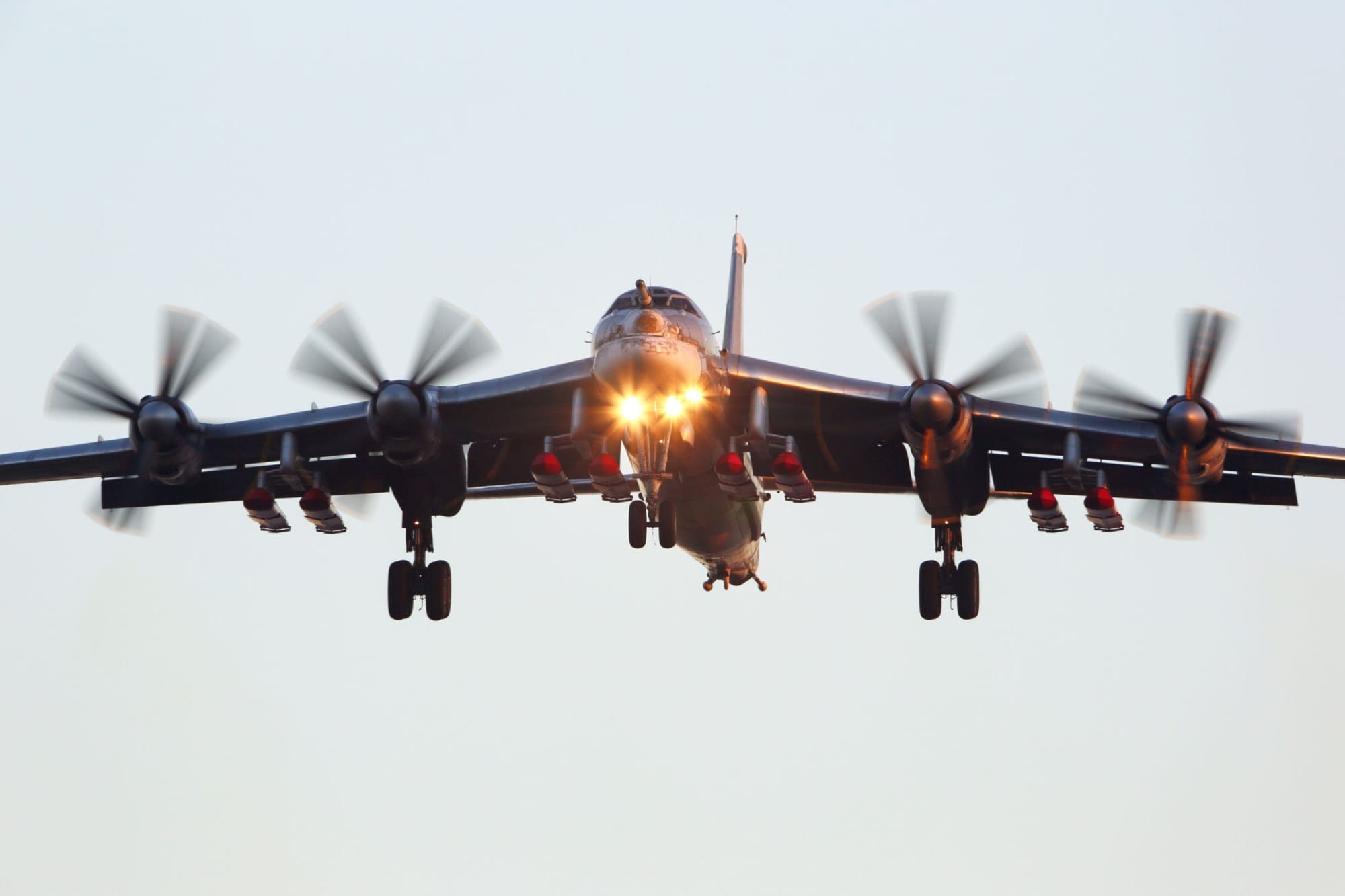
Right, let’s get straight to it. The temperature on the eastern flank is boiling over. In late July 2026, a Russian Kh-101 cruise missile didn't just clip the border—it punched deep into Polish airspace and blew a 10-metre crater into a field near Tarnawa Kolonia.
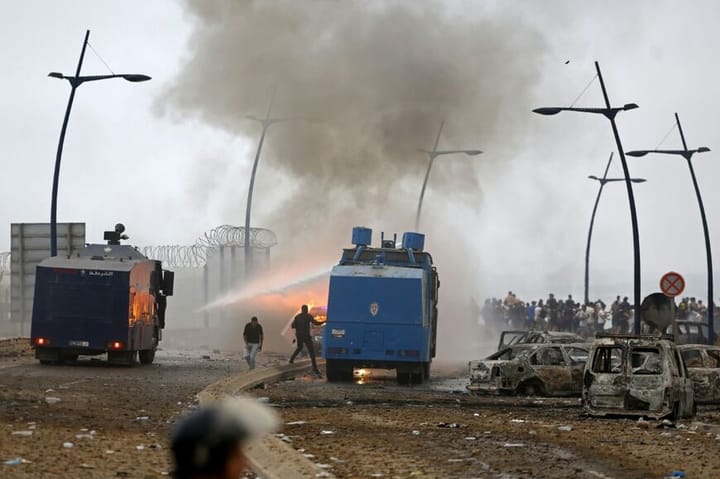
People are out on the streets protesting across Poland, and the Russian Ambassador has been hauled in for a serious dressing down. But the real story here is the near-miss in the sky, the shadow war on the ground, and the ultimate "what if" scenario that has everyone in Europe checking their watch.
Here is exactly what’s happening on the board right now.
The 20-Second Chase
This wasn't a stray round. A Ukrainian fighter jet was on the tail of that Kh-101 the whole way. The pilot had it locked and tracked, but had to break off the pursuit exactly 20 seconds before the missile crossed into Poland.
Why? Because of NATO airspace regulations. Ukrainian jets don’t have the legal right to run combat operations in NATO skies. If the pilot crossed the line, there was a very real risk that Polish air defences would have targeted the Ukrainian jet by mistake. It’s a prime example of legal red tape tying up a tactical response, and it’s a major escalation of Russian munitions directly impacting Polish soil. (The only other direct missile fatality was back in November 2022, and that was an off-course Ukrainian S-300).
The Slow Grind in Ukraine
If you're looking at the map from July 2025 to July 2026, the momentum has been grinding in Moscow's direction. Russia has chewed up roughly 1,114 square miles of Ukrainian territory. It’s slow, bloody, attractional work—basically taking a chunk of land the size of County Limerick, which is only about 0.5% of Ukraine's pre-1991 borders. Ukraine’s counter-pushes into Russian regions like Kursk and Belgorod have been highly publicised but barely register in terms of actual square mileage secured.
The Shadow War: Spying from the Inside
Here is where it gets highly cynical. Moscow is running a heavy shadow war inside Poland, and they’re paying Ukrainians to do the dirty work.
Russian intelligence has been actively recruiting Ukrainian refugees and migrants on Polish soil. Their job? Run surveillance on military hubs, track Western aid moving on the rail lines, and set up sabotage operations. In late 2023, a spy ring was busted resulting in 14 convictions, mostly Ukrainians. By late 2025, Polish internal security nicked a 21-year-old Ukrainian coordinating explosive shipments, alongside others doing recon on NATO infrastructure. Over two dozen Ukrainian nationals have been swept up in these operations so far.
The Big "What If": Poland vs. Russia
With protests raging and missiles dropping, the inevitable pub talk and strategic war-gaming kicks in: What if Poland just said enough is enough and went on the offensive?
Let’s break down the reality of that fight.
Scenario A: Poland Goes It Alone
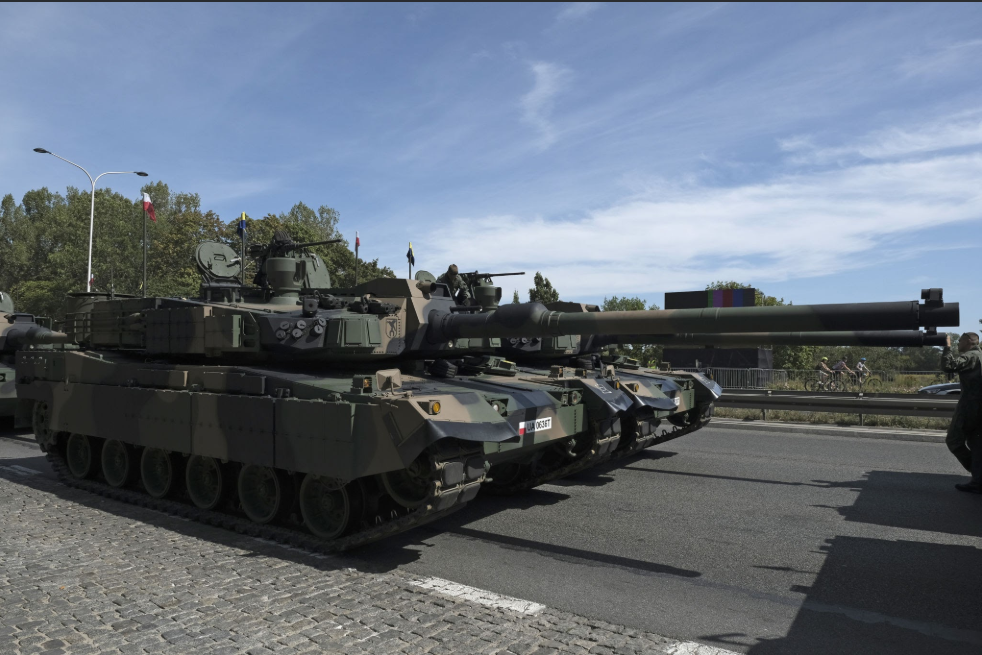
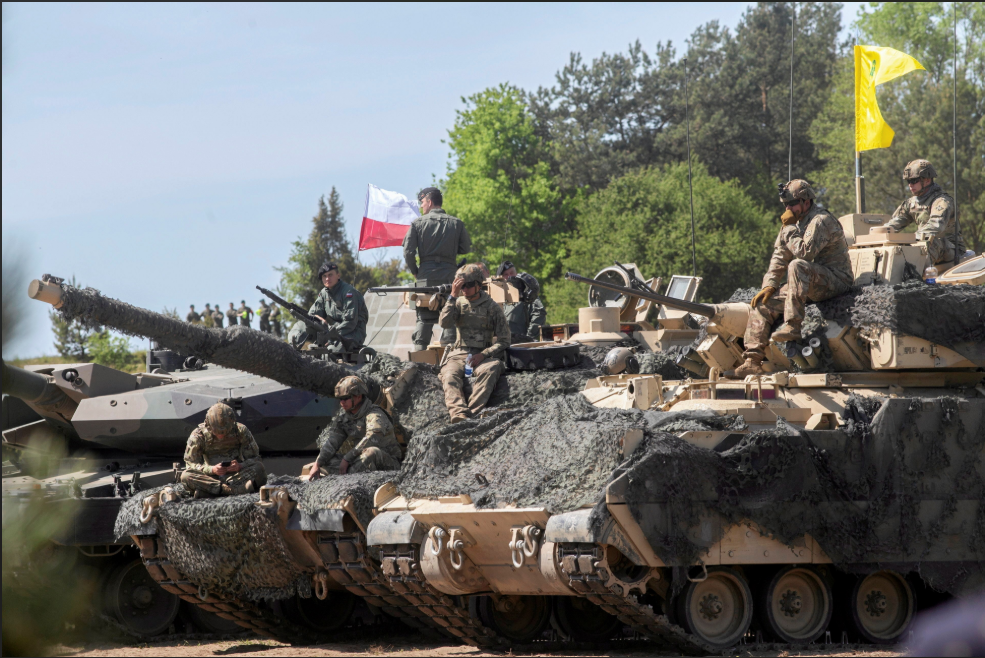
Make no mistake, Poland has been buying up serious kit. They are heavily modernising their armed forces, buying top-tier US Abrams tanks, HIMARS, and South Korean K2s. They are building one of the most formidable land armies in Europe.
But if Warsaw decides to push into Russia alone, it hits a brick wall. Poland’s active personnel sits at around 216,000. Russia has over a million active troops, a massive, grinding military-industrial base, and deep reserves. Poland simply does not have the sheer mass, the manpower, or the logistical tail to sustain deep offensive operations into Russian territory. A solo run runs out of steam fast.
Scenario B: The NATO Juggernaut
Now, what if Article 5 is invoked and Poland rolls east with the full backing of NATO? That is a completely different ballgame.
Conventionally, NATO has overwhelming superiority. Absolute air dominance, better tech, precision strike capabilities, and unmatched logistics. A combined NATO offensive would carve through Russian conventional border defences and dismantle their frontline command structures.
But here’s the grim reality: military success in this scenario doesn't matter. The absolute second a NATO-backed armoured column seriously threatens Russian soil, Moscow’s nuclear doctrine is triggered. It stops being a tank war and escalates straight into a global nuclear exchange. That is the dead end no one wants to drive down.
The Workaround: A "Coalition of the Willing"
Because a full NATO deployment risks World War III, and the UN Security Council is permanently gridlocked by Russian vetoes, Europe is looking at workarounds.
Enter the "coalition of the willing." In intel and diplomatic terms, this is a temporary, ad hoc partnership of countries that band together for a specific objective without a formal treaty forcing their hand. Participation is strictly voluntary.
Right now, Britain and France are trying to pull together a 34-nation European coalition to form a peacekeeping and reassurance force in Ukraine. The goal isn't to invade Russia; it's to put boots on the ground to back up potential ceasefire negotiations and deter Moscow from pushing further west, all without formally dragging the entire NATO alliance into the crossfire.
The board is set, and the margins for error are getting dangerously thin. Keep your eyes on the Polish border.


Comments ()