
Massive Overnight Ukraine Drone Strike Damages Russian Warships in Novorossiysk
Overnight on August 12, 2026, Ukrainian defence forces launched a massive drone and missile strike on the Russian port of Novorossiysk, damaging four warships and halting operations at key global grain terminals.

Overnight on August 12, 2026, Ukrainian defence forces launched a massive and highly coordinated drone and missile strike on the Russian port city of Novorossiysk. The operation targeted the last major stronghold of Russia's Black Sea Fleet, dealing significant blows to multiple Russian warships, military infrastructure, and global grain export facilities.
A "Unique" Long-Range Operation
Ukrainian President Volodymyr Zelenskyy described the overnight attack as a "unique operation". Reaching targets over 300 kilometres from the front lines, the assault utilised a sophisticated combination of domestically produced weaponry. The combined strike force included Palianytsia jet-powered drones, Neptune anti-ship cruise missiles, and unmanned naval surface drones.
Following previous successful Ukrainian strikes in occupied Crimea, the Russian military had relocated the bulk of its Black Sea Fleet to Novorossiysk for safety. This strike demonstrates that Russian naval assets remain highly vulnerable even in their fallback bases.
Russian Warships and Military Infrastructure Damaged
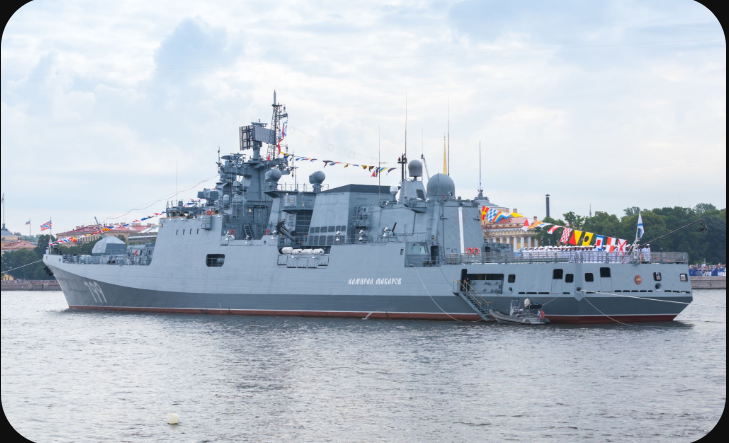
According to the General Staff of the Armed Forces of Ukraine, the strike successfully penetrated the naval base's defences, resulting in varying degrees of damage to four key Russian warships.
The vessels reportedly damaged include:
- Project 11356 Frigates: The Admiral Makarov and the Admiral Essen.
- Project 21631 Small Missile Ship: The Buyan-M.
- Project 22160 Patrol Ship: The Vasily Bykov.
Beyond the fleet itself, precision strikes severely degraded critical coastal and port defence infrastructure. Confirmed targets hit during the operation include:
- A 30N6E radar system, a core component of an S-300 surface-to-air missile battery.
- A mobile firing position located at pier number two.
- Port infrastructure spanning piers three, six, and seven.
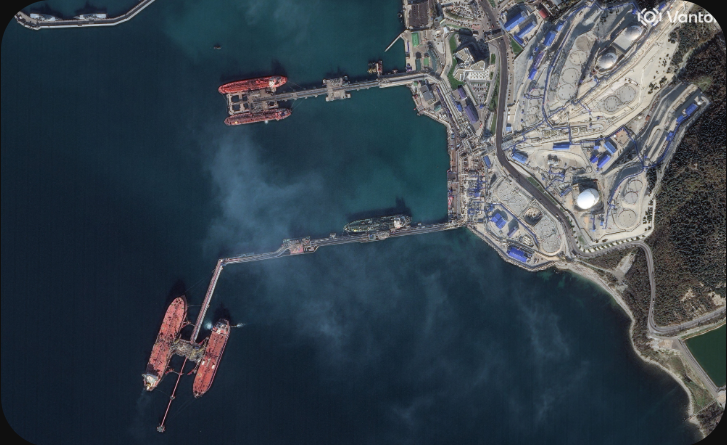
- The tunnel portal of the Grushovaya oil depot leading to the Sheskharis terminal, where fires were subsequently reported.
(Note: Russian military officials have not officially confirmed the specific damage to these naval and military assets.)
Economic Impact and Civilian Casualties
The strikes had an immediate and severe impact on the local civilian population and regional economics. Novorossiysk is a vital node for Russian exports, and the collateral effects of the strike prompted a local state of emergency.
Disruption to Global Grain Supplies
Two major grain terminals at the Novorossiysk port—NKHP and Demetra Holding—sustained damage and were forced to suspend operations. These facilities represent a combined annual export capacity of 15.6 million metric tonnes. The sudden disruption at one of Russia's primary wheat export hubs immediately stoked fears of global supply issues, contributing to a spike in international wheat futures.

Civilian Toll
The drone strikes and subsequent falling debris resulted in civilian casualties within the Krasnodar Krai region. Regional Governor Veniamin Kondratyev reported that the attack killed three people, including an eight-year-old child. Furthermore, up to 24 individuals were wounded.
Extensive damage was also recorded across the city's civilian infrastructure. Debris from intercepted drones damaged more than two dozen residential buildings and four industrial enterprises, while damage to a main pipeline cut off water supplies to the city's 260,000 residents.


Comments ()