
The Nigerian Jihad: 2,550 Christians Massacred in Six Months
A mid-year intelligence audit by Intersociety reveals that over 2,550 Christians were killed in Nigeria in the first half of 2026. Here is the operational analysis of Boko Haram, Fulani militias, and the UN’s diplomatic paralysis.
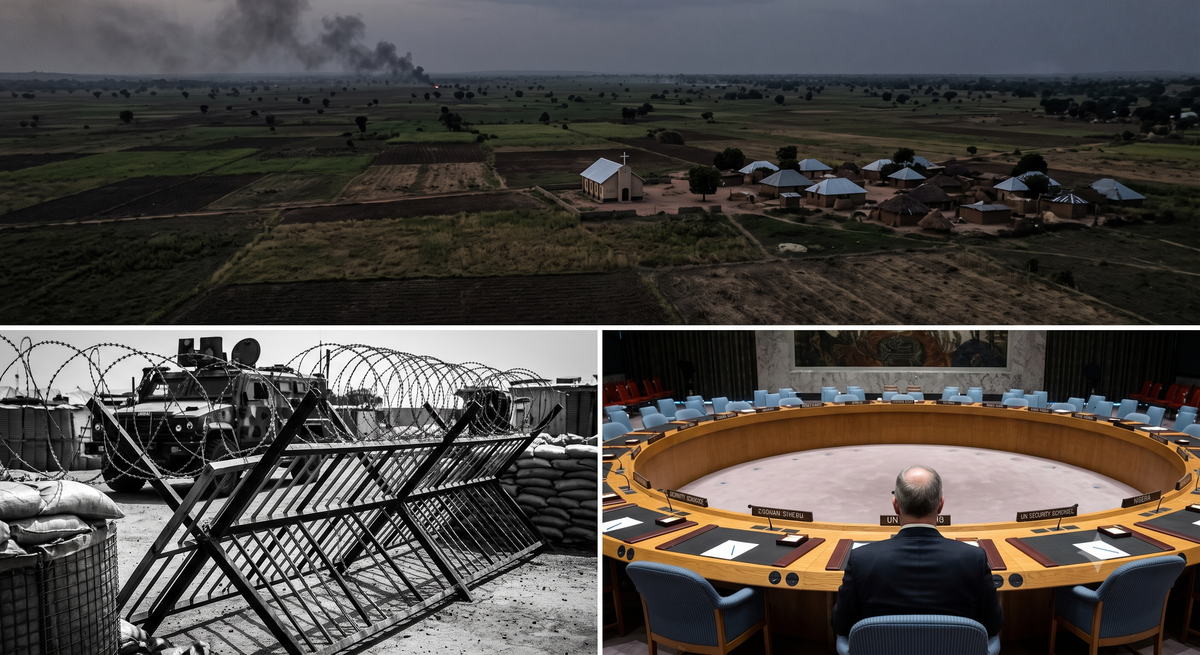
The systematic targeting of Christian communities in Nigeria’s Middle Belt and northern regions has reached an unprecedented scale. According to the 2026 mid-year report published by the International Society for Civil Liberties and Rule of Law (Intersociety), at least 2,550 Christians were killed for their faith during the first 180 days of 2026.
The audit further documents 2,800 abductions, the destruction or severe damaging of 300 churches, and coordinated campaigns of forced displacement and conversion executed by jihadist factions.
This briefing analyses the operational metrics of this crisis, the specific role played by Boko Haram and its offshoots, and the structural factors preventing meaningful United Nations intervention.
Key Data: Intersociety 2026 Findings
The mid-year intelligence figures highlight an asymmetric campaign directed predominantly at agrarian Christian villages in states such as Benue, Plateau, Kaduna, Taraba, and Niger.
- Fatalities: 2,550 verified Christian deaths between January and June 2026.
- Abductions: 2,800 documented cases, frequently involving ransom demands used to fund arms procurement.
- Infrastructure Destruction: Over 300 churches and Christian educational facilities destroyed, burned, or forcibly closed.
- Displacement: Tens of thousands of rural farmers driven into informal Internally Displaced Persons (IDP) camps, altering the regional demographic balance.
What Role Does Boko Haram Play?
To understand the mechanics of the violence, it is necessary to distinguish between the various armed actors operating across Nigeria:
+-----------------------------------------------------------------------------------+
|                            PRIMARY ARMED ACTORS IN NIGERIA                        |
+------------------------------------+----------------------------------------------+
| Group                              | Primary Operational Zone & Strategy          |
+------------------------------------+----------------------------------------------+
| Boko Haram (JAS)                   | North-East (Lake Chad Basin); mass raids,    |
|                                    | suicide bombings, ideological jihad.         |
+------------------------------------+----------------------------------------------+
| ISWAP (Islamic State West Africa)  | North-East & Sahel; targeted ambushes on     |
|                                    | military & infrastructure, tax collection.   |
+------------------------------------+----------------------------------------------+
| Armed Fulani Ethnic Militias       | Middle Belt (Plateau, Benue, Kaduna);        |
|                                    | land grabs, village massacres, displacement. |
+------------------------------------+----------------------------------------------+
1. The Ideological Foundation
Boko Haram (Jama'at Ahl as-Sunnah lid-Da'wah wa'l-Jihad) laid the modern precedent for armed jihadism in Nigeria following its violent escalation in 2009. Its explicit mandate—to eradicate Western education, secular governance, and Christian presence—created the operational playbook now adapted across the region.
2. Tactical Evolution and Fragmentation
While Boko Haram’s main faction operates primarily in the North-East around the Lake Chad Basin, its splinter group, ISWAP (Islamic State West Africa Province), has expanded its reach. Boko Haram and ISWAP provide tactical training, weapons proliferation, and ideological motivation to various criminal and insurgent networks across the country.
3. Convergence with Ethnic Militias
In Nigeria’s Middle Belt, the primary tactical threat stems from radicalised Fulani ethnic militias. While historically distinct from Boko Haram, intelligence monitors report an increasing convergence in tactics, weaponry, and rhetoric. Arms imported through Boko Haram's Boko-Sahara smuggling routes frequently supply militia cells executing night raids on agrarian Christian villages.
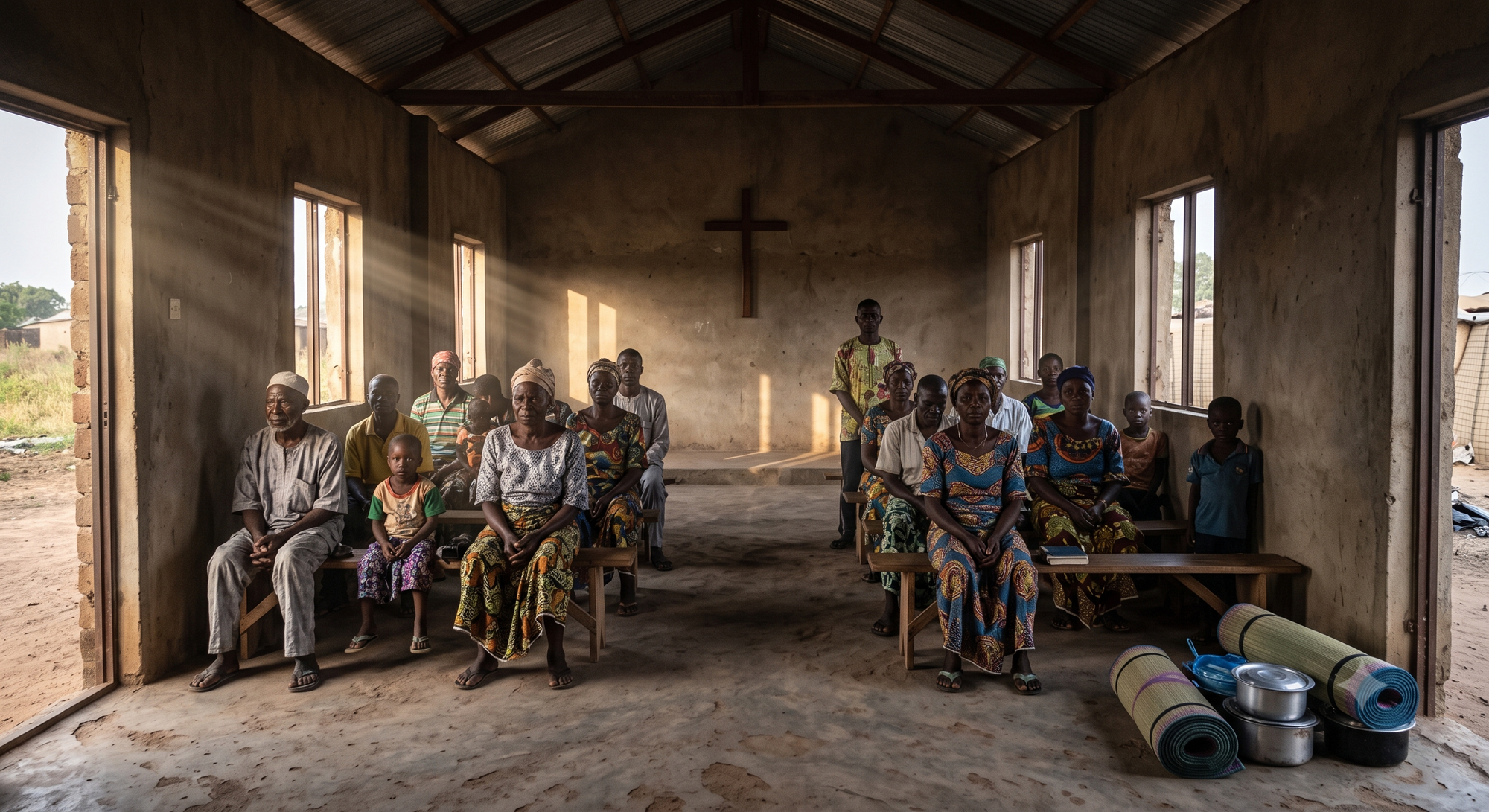
Why Isn't the United Nations Intervening?
Despite the high casualty figures, the United Nations has not deployed peacekeepers or established a dedicated mandate to stop the violence. Several diplomatic and geopolitical hurdles explain this paralysis:
1. The "Climate and Farmer-Herder" Narrative
The dominant diplomatic consensus within the UN and Western foreign offices frames the conflict primarily as an environmental or socio-economic dispute over dwindling land and water resources caused by desertification in the Sahel.
- The Reality: While resource scarcity exists, framing the crisis purely as a "farmer-herder clash" ignores the asymmetric nature of the attacks, the destruction of churches, the targeted executions during religious holidays, and the explicit religious rhetoric used by attacking forces.
- Diplomatic Impact: Framing the crisis as an ecological issue reduces international urgency, treating massacres as an inevitable consequence of climate change rather than actionable war crimes.
2. State Sovereignty and the Nigerian Government
Under Chapter VII of the UN Charter, direct intervention or peacekeeping deployment requires either a request from the host government or a resolution by the UN Security Council.
- The Nigerian federal government maintains that the situation is an internal security issue being handled by the Nigerian Armed Forces.
- Acknowledging a systemic religious genocide would invite international oversight, sanctions, and scrutiny of potential complicity or incompetence within state security forces.
3. UN Security Council Dynamics
The UN Security Council (UNSC) is deeply divided along geopolitical lines. Major powers with strategic and economic interests in West Africa—including trade, oil, and counter-terrorism partnerships—are reluctant to sponsor resolutions that would alienate the Nigerian administration or disrupt bilateral agreements.
Strategic Implications for Regional Security
The persistent instability in Nigeria poses direct risks to West African stability and international security frameworks:
- Demographic Shift and Food Insecurity: The systematic displacement of farming communities in the Middle Belt—Nigeria's agricultural heartland—is triggering food shortages and compounding economic instability.
- Refugee Pressures: Mass displacement accelerates internal migration toward urban centres and external migration corridors leading toward North Africa and Europe.
- Expansion of Radical Hubs: Ungoverned spaces created by security vacuums allow transnational jihadist networks to establish permanent bases across the Sahel.
Source Verification and References
- Crux Now Report:Crux Now: Convert, Pay a Tax or Die — Interview on Nigerian Christians
- Intersociety Official Documentation:International Society for Civil Liberties and Rule of Law (Intersociety)
- Observatory for Religious Freedom in Africa:ORFA Data Tracking & Research Portal
- UNHCR Operational Data Portal:UNHCR Nigeria Situation and Displacement Tracking

Comments ()