Should Ukraine Give Up Territory for Peace?
Jared Kushner claims a peace deal is ready if Ukraine surrenders territory. Here is what trading land means for global markets, European security, and Ireland's tactical choices.
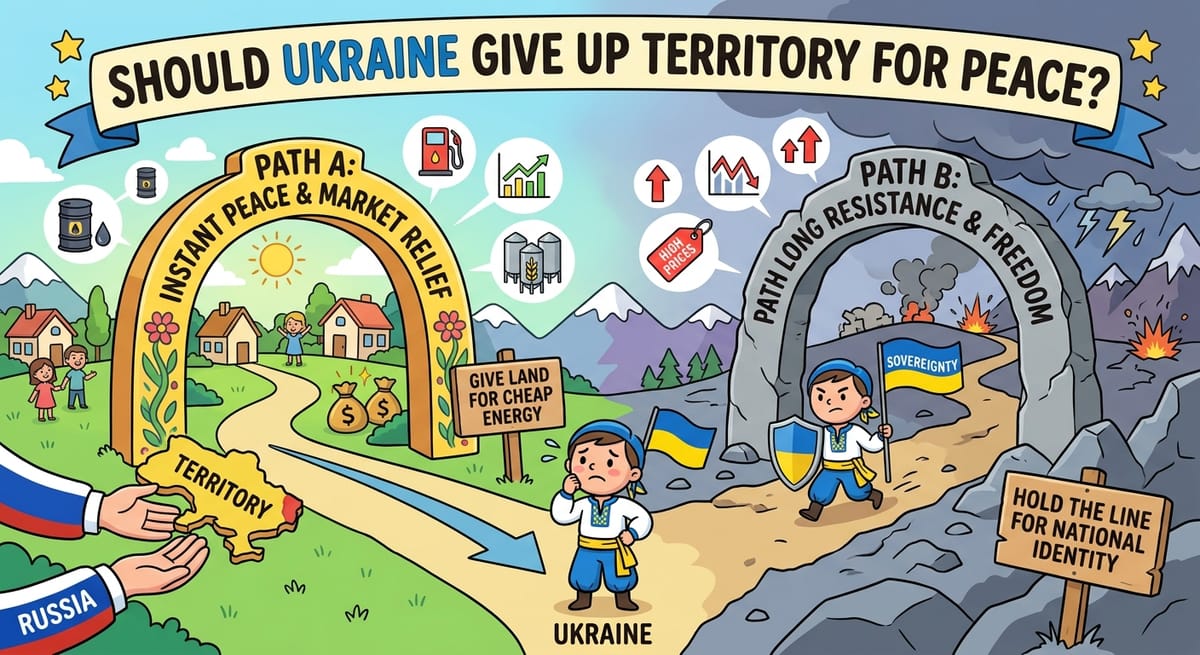
The US has a peace deal ready to go for Ukraine, and Jared Kushner just laid out the catch: Kyiv has to give up its land.
Speaking at the Yalta European Strategy (YES) forum in Kyiv, the US envoy didn't sugar-coat it. He claimed Vladimir Putin has drawn a line on the map, asserting that if Ukraine pulls back its troops to that line, the rest of the peace deal—monitoring mechanisms, economic investments, the works—is ready to be signed.
The backlash was instant. Kyiv's leadership flatly rejected the proposition. For the US mediation team, the conflict is a transaction to be closed quickly to stop the bleeding. For Ukraine, it is an unacceptable capitulation that rewards unprovoked aggression.
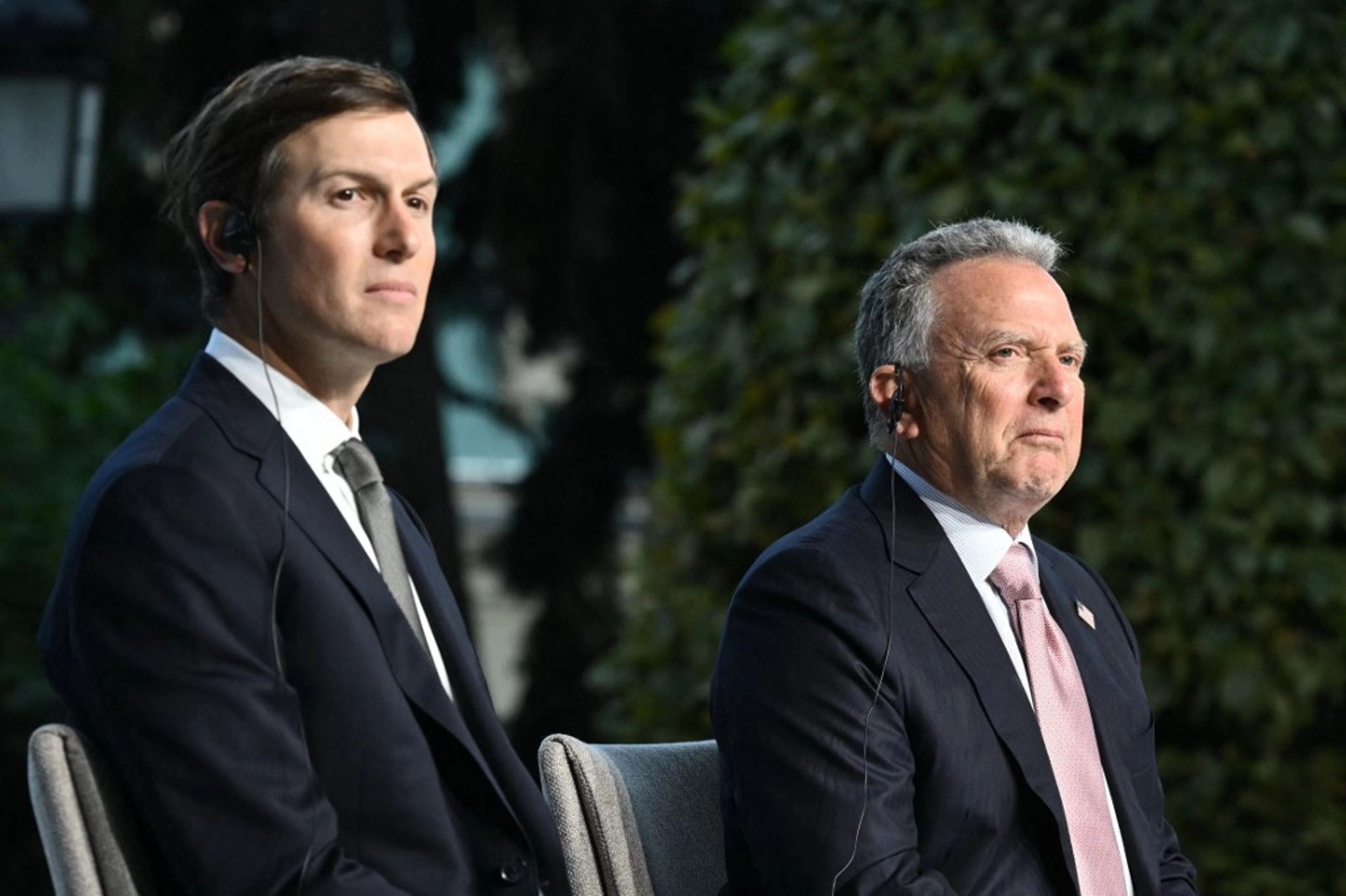
Trading Land for Peace: Pragmatism vs. Survival
This is not about moving abstract lines on a map. It comes down to cold economic pragmatism versus national survival.
The Case for Cutting Losses (Pros)
- Stopping the Slaughter: An immediate ceasefire halts high-attrition warfare along the front lines, preserving thousands of military and civilian lives.
- Saving Critical Infrastructure: Ending drone and missile strikes prevents total destruction of Ukraine’s energy grid, power plants, and transport networks.
- Unlocking Reconstruction Cash: A formal peace agreement turns on the tap for hundreds of billions in international reconstruction funding and private investment.
The Price of Surrender (Cons)
- Strategic Suicide: Ceding fortified defensive lines in the Donbas hands Russia an advantageous staging ground for future offensives.
- Betrayal of the Soil: In Ukraine, land is bound to national identity by blood and generations of sacrifice. You cannot ask a country to hand over territory soaked in its defenders' blood while abandoning millions of citizens to foreign occupation.
- Deadly Global Precedent: Validating territorial acquisition by military force destroys post-WWII international law, signaling to aggressors worldwide that force yields results.
Market Response: Two Economic Scenarios
Money moves fast when borders change. The choice between accepting territorial concessions or fighting a prolonged war dictates two completely different economic futures.
Scenario A: Ukraine Cedes Land and Inks the Deal
- Market Impact: Global energy prices (especially European natural gas futures) and grain markets experience an immediate relief rally as risk premiums collapse. Foreign Direct Investment (FDI) floods into Ukrainian construction, logistics, and infrastructure sectors.
- Public Spending: Western treasuries pivot away from emergency military support packages toward long-term reconstruction guarantees. Ukraine’s national budget shifts from ammunition procurement to veteran care, internal displacement support, and heavily fortifying the new demarcation lines.
Scenario B: No Surrender, Protracted War
- Market Impact: Global supply chains, Black Sea shipping routes, and energy sectors remain locked in structural volatility, keeping inflation high across European economies. Sovereign borrowing costs stay elevated as central banks combat persistent price shocks.
- Public Spending: Western governments face endless political pressure to fund deficit-financed defence manufacturing expansions. Ukraine’s economy stays on permanent life support, requiring continuous Western fiscal bailouts to run basic civil services.
The Irish Angle: Ireland’s High-Stakes Strategic Dilemma
For an open, island economy sitting on Europe's Atlantic edge, the resolution of this war presents a direct economic and strategic calculation. Ireland relies heavily on imported energy, stable global market prices, and the physical security of subsea communications cables.
                  ┌──────────────────────────────────────────────┐
                  │       IRELAND'S STRATEGIC CHOICE            │
                  └──────────────────────┬───────────────────────┘
                                         │
                   ┌─────────────────────┴─────────────────────┐
                   ▼                                           ▼
┌──────────────────────────────────────┐    ┌──────────────────────────────────────┐
│ GAMBLE 1: ACCEPT CONCESSIONS & BUY TIME│    │ GAMBLE 2: FULL EU ESCALATION         │
├──────────────────────────────────────┤    ├──────────────────────────────────────┤
│ • Immediate relief on oil/gas prices │    │ • Joint military strike on Kremlin   │
│ • Window to build offshore wind      │    │ • Leverages Starlink/satellite net   │
│ • Russia remains future subsea threat│    │ • High risk of regional escalation   │
└──────────────────────────────────────┘    └──────────────────────────────────────┘
Option 1: The Tactical Gamble — Take the Cheap Energy and Prepare
If Ukraine surrenders land, Ireland gains an immediate short-term economic win, followed by a long-term risk:
- Immediate Cost-of-Living Relief: Lower oil and gas prices immediately cool inflation at Irish petrol pumps and reduce electricity bills, lifting the burden on households and local businesses.
- Buying Time for Energy Security: The Irish government could use this lower-cost window as breathing room to accelerate its renewable transition—expanding offshore wind projects, building subsea power interconnectors to mainland Europe, and upgrading grid resilience.
- The Long-Term Threat: Russia remains an unchecked power. A victorious Moscow buys time to rebuild its armed forces, leaving Irish maritime infrastructure and transatlantic subsea data cables permanently exposed to future covert disruption.
Option 2: The Direct Escalation — EU Military Intervention
The extreme alternative favoured by European hardliners abandons negotiated surrender in favour of total military resolution:
- Decapitation Strike: EU and NATO forces coordinate a full-scale assault targeting the Russian leadership structure, utilizing satellite networks like Starlink to maintain battlefield communications, jam countermeasures, and execute precision strikes.
- High-Risk Resolution: Eliminating Vladimir Putin and neutralising Kremlin leadership could permanently remove the military threat to Europe. However, it risks catastrophic regional escalation, severe energy shocks, and direct retaliatory strikes against European infrastructure.
For Irish policymakers, accepting a peace deal that trades Ukrainian soil brings rapid relief to fuel prices today, but it forces Ireland into a high-stakes race to build up its energy independence and defence capabilities before an emboldened Russia turns its sights further west.
Comments ()